Retail Roof Leak Repair
Retail Roof Repair
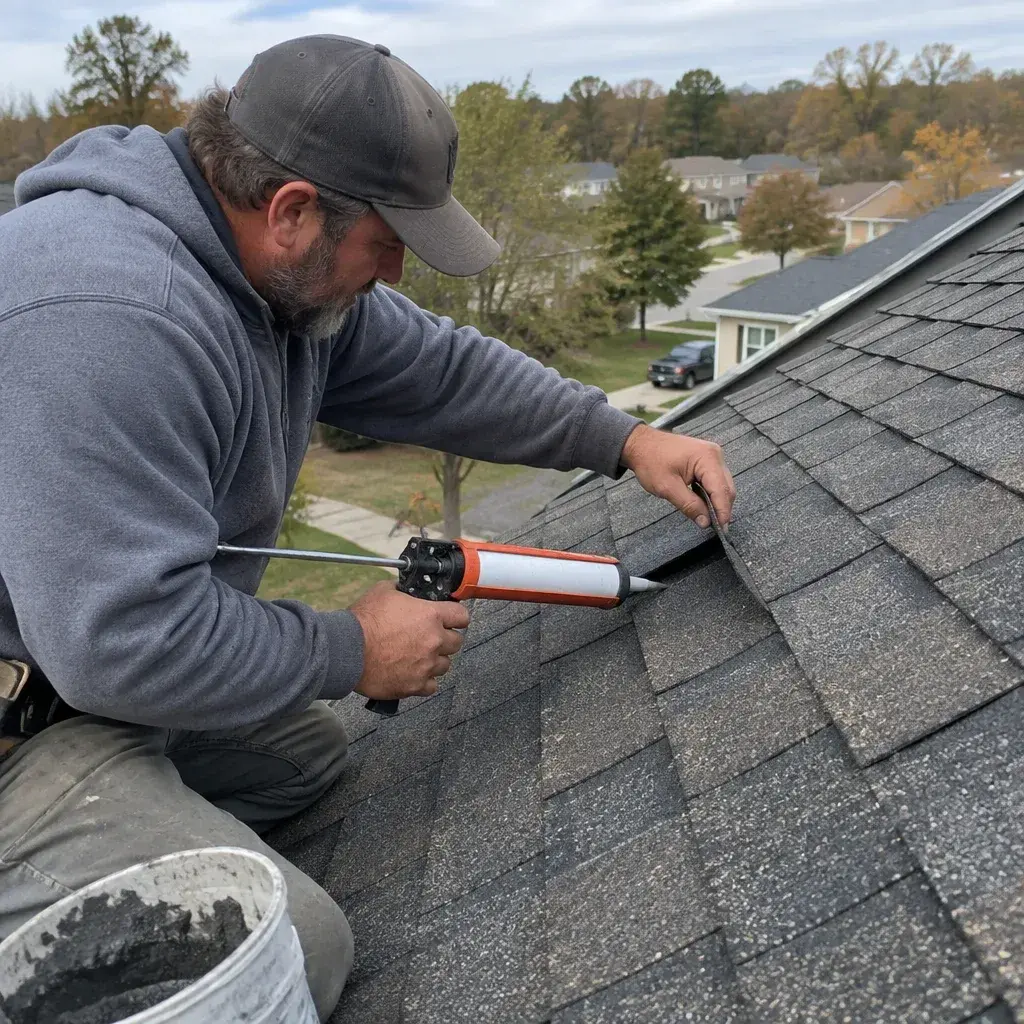
Warehouse roof leak repair across the United States, with dedicated pages in some places and the same referral for other locations.
A roofer can match reported warehouse leak zones to roof plans at each address, inspect the relevant roof areas and penetrations, then document the supported repair by site. A shared scope format helps protect inventory and operations while showing where each repair applies.
Start with the locations where a warehouse roof leak could put stored goods or scheduled work at risk. Then give the roofer a consistent picture of each affected building: where water appeared, what is stored or happening below, and what equipment sits overhead. Across several addresses, a shared inspection scope helps you compare findings without treating each report as an unrelated stain. The goal is to identify the roof areas and repairs that matter to inventory and operations.
Separate reports that affect active work from signs in areas with little current use. Water near a loading route, picking area, or sensitive stock can create different operational concerns than a mark in an empty section. Note whether the leak has appeared more than once and whether goods or equipment occupy the area. This gives the pros we connect you with useful context for ordering inspections and discussing which locations need attention first.
Use the same location labels on your facility records and the roofer’s inspection notes. A building plan can identify storage zones, aisles, offices, and equipment without requiring a detailed description each time. Keep rooftop units and other penetrations visible on the plan so the indoor report can be compared with the roof layout. For a distribution center roof leak, consistent labels make it easier to track what was checked at each address.
A warehouse roof spans a large area, so define the inspection boundary before work begins. Ask whether the roofer will review the section connected to the reported location and adjacent areas that share drainage paths or roof details. The scope should also identify which buildings and roof sections are included. That gives you a clear basis for comparing results across sites and reduces the chance that a report leaves you unsure which areas were actually considered.
Roof design affects what the roofer examines. On a low slope system, seams, drains, edges, and places where equipment passes through the membrane may be relevant; other roof coverings have different joints and details. Flashing closes gaps where roof surfaces meet walls or openings, so damaged or loose flashing can leave a route for water. Ask that the inspection record name the roof type and the components considered at each building.
| Leak zone | Goods or work | Roof evidence |
|---|---|---|
| Facility reference | Building name and roof plan label | Connect each finding to its address |
| Reported zone | Aisle, storage bay, or work area | Relate reports to goods and operations |
| Material exposure | Stock, packaging, or equipment below | Show what could be affected during work |
| Roof section | Plan zone and roof covering type | Set boundaries for a broad roof review |
| Roof details | Drains, seams, flashing, or penetrations | Identify components relevant to the repair |
| Access window | Shipping periods and restricted work zones | Coordinate roof work with facility activity |
| Proposed work | Affected material, repair limits, and method | Show how the proposed work addresses findings |
| Closeout record | Site photos, observations, and completed work | Keep repair documentation with the facility record |
The repair plan should follow the defect the roofer documents. A problem limited to one seam or penetration may support a focused industrial roof repair, while damage across connected sections could call for a wider scope. The roof covering and the condition of nearby materials affect which method fits. For each address, ask which component will be repaired and how that work relates to the observed leak, so you can compare recommendations on their actual basis.
Set access arrangements around the building’s operating schedule. Roof work may require controlled entry, equipment staging, or a temporary change to how a section below is used. Wet or steep surfaces also require suitable access equipment and fall protection; warehouse staff should not be sent onto the roof to investigate. Confirm who will coordinate access and when the roofer can reach each roof section without disrupting essential site activity.
Before repair work starts, identify the floor area directly below the planned work and the nearby routes used by staff or material handling equipment. The roofer and site contact can decide whether goods should be moved or an aisle kept clear while overhead work proceeds. Tie those arrangements to the specific roof section and work window. This helps protect inventory and keeps the repair plan connected to how the warehouse operates.
Ask for a record that lets you follow the findings from the interior report to the roof section inspected. Photos can show water marks, damaged materials, or a roof detail that supports the recommendation. A written summary should identify the building and location, distinguish observed conditions from suspected causes, and note what the roofer recommends next. Keeping the same record format at each site makes review and follow-up simpler.
A useful repair scope states the address, roof section, component, and work proposed for that condition. If the roofer identifies separate tasks, the description should show which finding supports each one and whether the work is localized or extends to nearby material. This detail gives facilities staff a basis for scheduling and reviewing the work. It also helps prevent a multi-address proposal from obscuring what will happen at an individual warehouse.
The cost of a leak inspection can vary with the combined roof area, access requirements, number of addresses, and the records you request. A site with several roof levels or restricted access may take more coordination than a straightforward visit. Ask whether the quoted inspection scope includes each building, the roof sections to be reviewed, and a written record of findings. Clear boundaries help you understand what the inspection fee covers.
Repair cost depends on the roof system, the damaged component, access, and how much material the documented condition requires. Work at separate addresses may have different scopes even when reports describe similar leaks. Ask for pricing that identifies each building and task, along with any assumptions about access or work scheduling. Local permit requirements can vary, so confirm applicable requirements with the roofer or relevant building department before work is scheduled.
Before contacting a roofer, make a site list with each address, the indoor area where water appeared, and the activity or goods affected. Add the roof type if known, visible rooftop equipment, access limits, and an available building plan. Then ask the pros we connect you with to discuss one inspection scope across those locations and the documentation they can provide. This gives the first conversation a practical starting point.
This national page explains how to organize warehouse leak inspection and repair requests across locations. The site has dedicated pages for specific places; elsewhere, requests connect through the same referral. When you speak with a roofer, ask how findings will be labeled by address, how proposed work will be tied to those findings, and what records you will receive. Those details help you decide whether the scope addresses the risks to your goods and operations.
For a company managing several warehouses, start with one repair scope that gives each address the same useful reference points. Record the building, affected zone, roof system, nearby equipment, and business use, then let the roofer document which component needs work at each site. A distribution center roof leak over a sorting area may call for different scheduling than one above reserve storage. Consistent records make it easier to compare findings across facilities, assign work by operational impact, and see whether a proposed repair fits the condition at that address.
A page for a linked place gives it its own roof leak repair entry point; other locations use the same referral to reach pros, includingAnniston AL, Anchorage AK and Fairbanks AK. As you set up service, pin down which on-site charges apply and whether an out-of-area address changes the travel terms.
A warehouse assessment might be quoted as a standalone visit, with repeat checks, or according to the area under review. $90–$350 offers a budget reference. The inspection schedule, roof layout, and effort needed to reach its sections can all affect the proposed fee.On a commercial building, roof dimensions and layout can change the seams, edges, and penetrations requiring materials and labor, shifting the quote. When calling, mention roof type, approximate size, leak area, and access limits so the pros we connect you with can discuss the inspection.Use pricing guide to review repair cost bands; commercial overview explains what a scheduled commercial roof inspection program includes.
Retail Roof Repair
Multifamily Roof Repair
Commercial Roofing
Set priority by the likely consequence at each facility: damage to sensitive goods, interference with a process, or reduced access to an operating area. Give the roofer a ranked list with each address and indoor zone identified. That lets the repair plan account for business impact across locations, while keeping the evidence and work scope tied to the specific roof involved.
A shared format helps the roofer price and plan work consistently, while each address still needs a scope based on its roof system and observed condition. Ask for the same categories at every site, such as affected zone, component to be repaired, work limits, access needs, and completion evidence. Differences between roofs should be called out rather than folded into a generic scope.
Keep a separate record for each facility, using stable building and roof zone names. Include the roof system, affected component, proposed or completed work, date, access conditions, and photos labeled to match the facility plan. This gives property and operations staff a usable history when later reports come in and helps distinguish a new concern from work already documented.
Leak inspection costs can vary with the roof system, the number and spread of reported areas, access requirements, and how much documentation or coordination a multi-site scope needs. A seam repair on a broad membrane roof may differ from work at a penetration or roof covering. Request an itemized scope by address so you can compare what each proposed task covers.
Map each affected zone and nearby roof equipment by address, then contact the pros we connect you with to discuss a coordinated scope and records.
Call (855) 768-9249