Warehouse Roof Leak Repair
National Warehouse Roofing
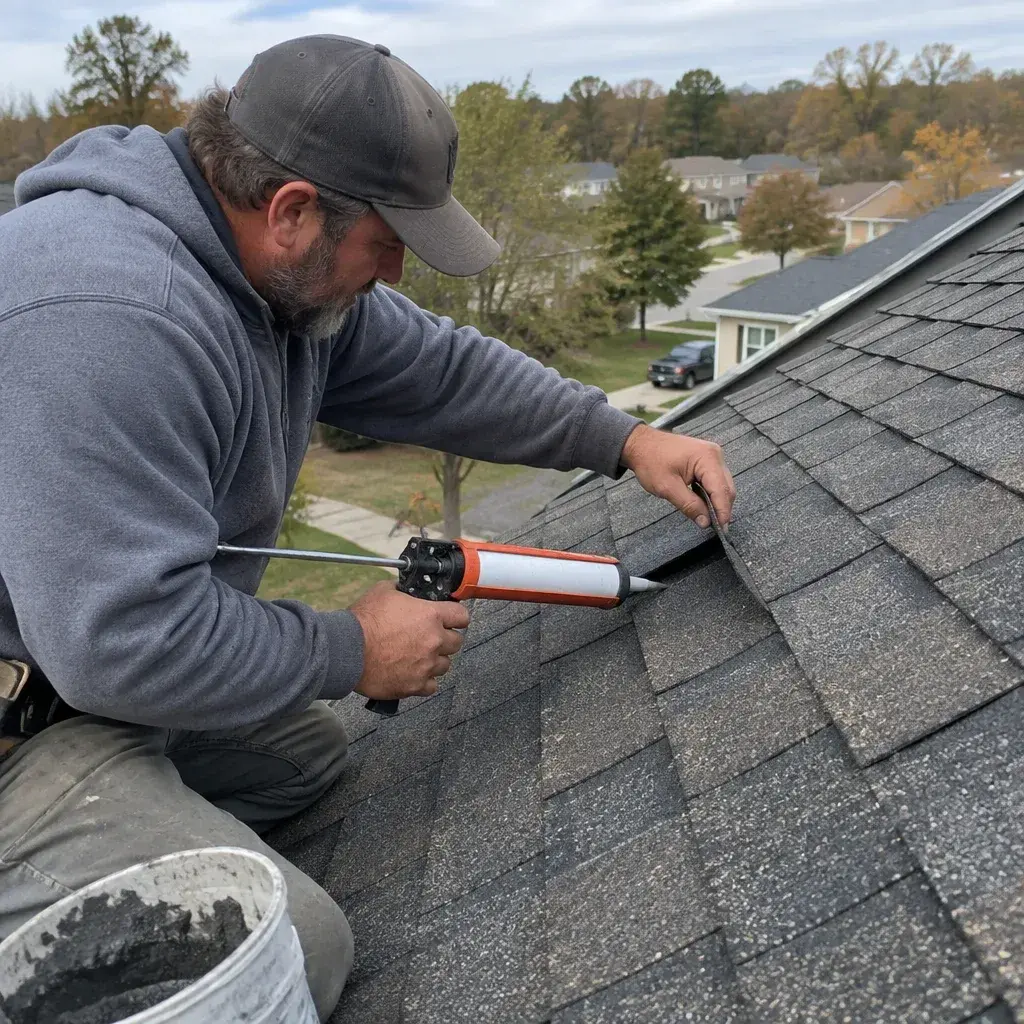
The licensed pros we connect you with can discuss roof components, condition, and proposed repairs.
The roofer identifies the affected roof section, agrees on access and work boundaries with your site contact, then repairs the component linked to the leak. Scheduling and clear customer routes can help stores remain open; dated findings and completion records support property files.
Start by identifying which store, shared corridor, or customer area is affected, then set the repair boundary around the people and business activity below it. A retail roof leak can interrupt sales even when the opening is small, so the plan should account for entrances, checkout areas, employee routes, and deliveries. Once those constraints are clear, the roofer can coordinate access and choose a work period. The goal is to address the roof defect while keeping unaffected parts of the property usable.
Mark the space beneath the planned work and decide how customers and employees will pass it. Barriers, signs, or a temporary route can keep people away from tools and overhead work while leaving other entrances available. Coordinate that arrangement with the store manager before work begins, especially where an aisle, fitting area, or shared walkway sits below the repair. If merchandise or fixtures limit access, include those limits in the plan so the work area can be sized around actual store conditions.
A shopping center roof may cover several tenants and common areas, so the reported drip is only one clue to the affected roof zone. Water can move beneath the roof covering along decking or framing before it becomes visible indoors. The roofer should relate each report to the roof layout and note whether nearby suites or corridors show similar signs. This helps define the repair area and gives the property manager a clearer record of which tenant spaces were considered.
Before scheduling, confirm the approved route to the roof, any escort or key requirements, and where tools can be staged without crossing active sales areas. Tell the pros we connect you with about loading access, restricted doors, and tenant rules that affect movement through the property. A workable access plan reduces trips through customer spaces and helps the store stay open around the repair. Include known roof access constraints when you arrange an assessment, rather than resolving them after the crew arrives.
Set the work boundary in two places: on the roof around the repair and inside wherever work could affect people or merchandise. If ceiling access is needed, coordinate the location and timing with the tenant before opening any finish. Keep required exits and shared routes available, and agree on who can adjust barriers if store activity changes. This gives the manager a specific plan to share with employees and neighboring tenants while the affected area remains separated from routine business.
| Store zone | Work period | File items |
|---|---|---|
| Public route | Barrier limits and alternate path | Shows how shoppers pass the work |
| Tenant edge | Storefronts or shared spaces affected | Clarifies which operators need notice |
| Roof zone | Plan reference and visible leak area | Connects indoor report to roof section |
| Access plan | Entry route, escort, and restricted areas | Explains how work reached the repair area |
| Work timing | Approved hours and trading constraints | Supports review of operating impacts |
| Repair scope | Component and planned corrective work | Shows what the work order covers |
| Image set | Before and after views with locations | Lets reviewers compare observed conditions |
| Store access record | Work performed and open follow-up items | Records handoff and remaining actions |
On a large retail roof, use suite names, interior landmarks, and a roof plan to keep leak reports tied to distinct areas. A report from one shop may relate to a roof penetration, seam, or transition some distance away, so the visible ceiling location should not be treated as the repair address. Ask the roofer to identify the roof zone reviewed and the component tied to the proposed work. That makes later maintenance comparisons more useful across the property.
A useful repair file pairs images of the roof detail with the related indoor condition and labels where each was taken. Photos can show a damaged flashing edge, seam, or other component, while an interior image records the area reported by the tenant. Ask that the images be dated or otherwise linked to the inspection record and scope. This gives a property manager, insurer, or later inspector a basis for understanding the finding without relying on a verbal handoff.
Choose a work period around the store’s operating pattern and the roof conditions needed for the repair. Share opening hours, delivery periods, and busy customer times, then ask the roofer which tasks require a restricted area and for how long. Some work may fit before opening or during a quieter period; the material, access, and repair method affect that decision. Keep the schedule in the property file so the manager can explain any planned limits to tenants and staff.
Before approving a shopping center roof repair, request a written assessment that names the roof zone, the evidence observed, and the component the proposed scope will address. The record should distinguish the tenant’s reported location from the suspected entry point and explain why the chosen repair fits the roof material. This detail helps you compare the work performed with the original finding. It also gives an insurer or property reviewer a clear account of the basis for authorizing the repair.
Ask the roofer to record any area that could not be reached or fully evaluated, along with the reason and any suggested follow-up. A wet or steep surface may require suitable access equipment and fall protection before it can be inspected safely. An incomplete view matters when you decide whether the proposed scope addresses the likely source or whether another evaluation is needed. Keep that limitation with the report, so a later reviewer can see what the assessment did and did not cover.
After the work, retain a dated description of the repair with the building’s roof records. It should identify the area addressed, the roof component repaired, materials used, and any follow-up recommended by the roofer. For a multi-tenant property, link the record to the affected suite or shared space as well as the roof zone. That connection helps future managers compare a new report with prior work and gives an insurer or inspector a useful repair history.
Keep applicable permit or exterior review records with the repair file, and have the property team check local requirements for the specific building and scope. Requirements can differ by jurisdiction and by the work proposed, so a national page cannot establish what applies at every store. Record who confirmed the requirements and retain the resulting approval or correspondence when applicable. This makes the administrative trail easier to review if the property changes hands or a later inspection asks how the work was handled.
At closeout, compare the approved scope with the roofer’s account of completed work. Record any change, the reason given, the roof area actually addressed, and any recommendation that remains open. If the repair plan affected tenant access or store operations, note when the restricted area was released. A concise closeout record lets the property manager reconcile the work with the inspection report and share a consistent account with the insurer, tenant, or inspector who asks about the leak later.
When arranging an assessment, provide the property address, affected store or shared area, active hours, and known roof access constraints. Location pages describe the areas they cover; elsewhere, requests are handled through the same referral connection. The pros we connect you with can use those details to coordinate a visit and identify what records may be needed for the proposed repair. Once the assessment is complete, keep its findings, images, scope, and closeout description together in the property file.
For a retail roof leak, first mark the report on a store or shared-area plan, then match it to the roof section before setting a work window. On a wide shopping center roof, water may move beneath the surface, so the ceiling mark alone may not identify the repair point. The roofer can record the condition, propose work for the affected component, and agree with your site contact on access and boundaries. Keep customer and employee routes in service where practical, and retain dated findings and completion notes for management, insurer, or inspector review.
A page for a linked place gives it its own roof leak repair entry point; other locations use the same referral to reach pros, includingFairbanks AK, Fort Wainwright AK and Anniston AL. As you set up service, pin down which on-site charges apply and whether an out-of-area address changes the travel terms.
A warehouse assessment might be quoted as a standalone visit, with repeat checks, or according to the area under review. $90–$350 offers a budget reference. The inspection schedule, roof layout, and effort needed to reach its sections can all affect the proposed fee.On a commercial building, roof dimensions and layout can change the seams, edges, and penetrations requiring materials and labor, shifting the quote. When calling, mention roof type, approximate size, leak area, and access limits so the pros we connect you with can discuss the inspection.Use pricing guide to review repair cost bands; commercial overview explains what a scheduled commercial roof inspection program includes.
National Warehouse Roofing
Commercial Roofing
Multifamily Roof Repair
Share the affected store or shared area, its operating hours, delivery periods, and any limits on roof access. The roofer and site contact can use that information to select a work window and explain how the repair area will be managed. If work near an entrance or sales floor cannot be avoided, discuss how customers and staff can use another route while that area is closed.
Agree on the work boundary with the roofer and site contact before tools or materials are brought in. Mark any customer or employee routes that must stay open, and identify where workers will enter and reach the repair area. The plan can direct foot traffic around overhead work and keep materials out of active store areas. Revisit the boundary if the work location changes.
Keep a dated record that ties the reported location to the roof section and repair. An insurer or inspector may ask for the roofer’s findings, images of the affected interior and roof components, the proposed scope, and a note describing completed work. Add the work date and any follow-up observations. Clear labels help distinguish one store’s report from another on a large property.
The roofer should describe which roof component the findings point to and what the proposed work will address. An interior ceiling stain can signal moisture without showing which roof component needs attention. Ask for a written scope and a closeout note that names the area addressed, work completed, and any further evaluation recommended.
Note the affected store or shared area, operating hours, and roof access limits before arranging a leak inspection with the pros we connect you with.
Call (855) 768-9249