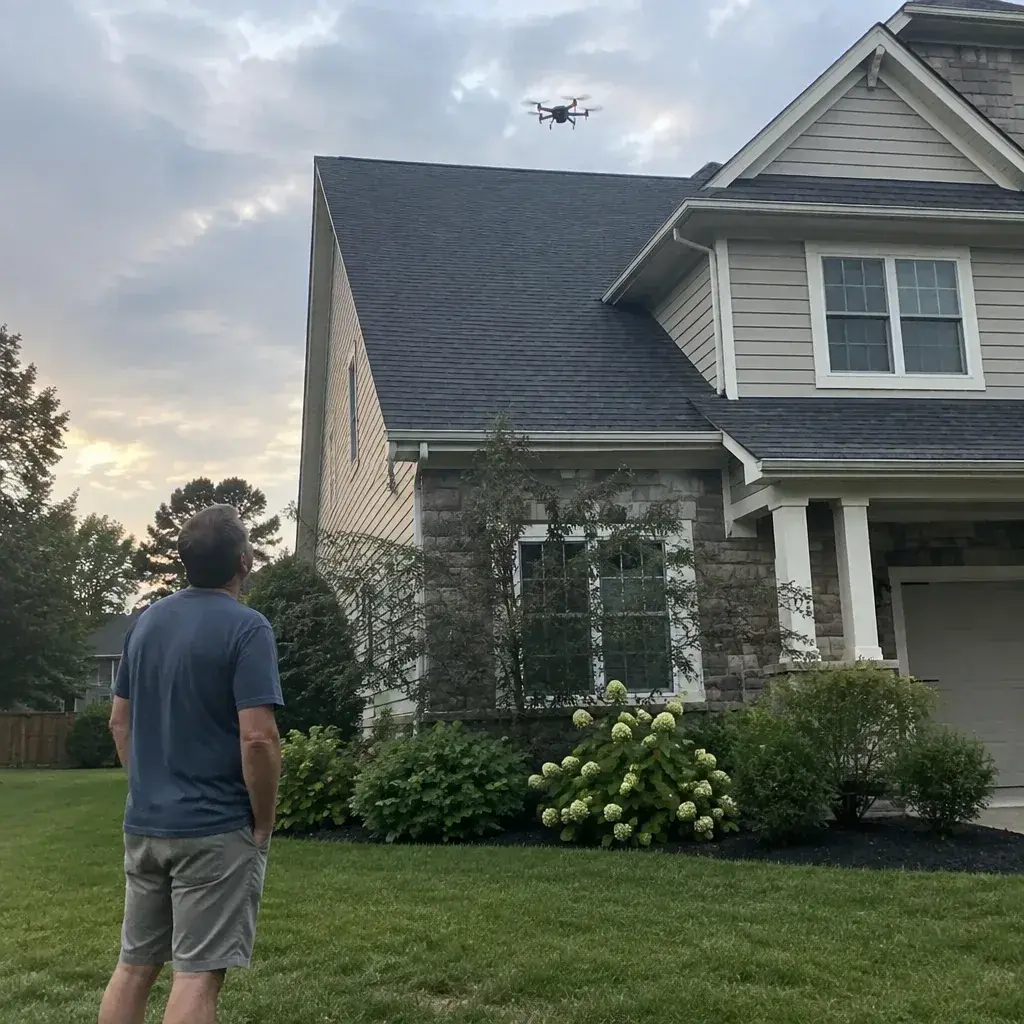
Leak Inspection
Roof and attic clues help trace water entry and focus leak source detection.
View Leak Inspection help in the United States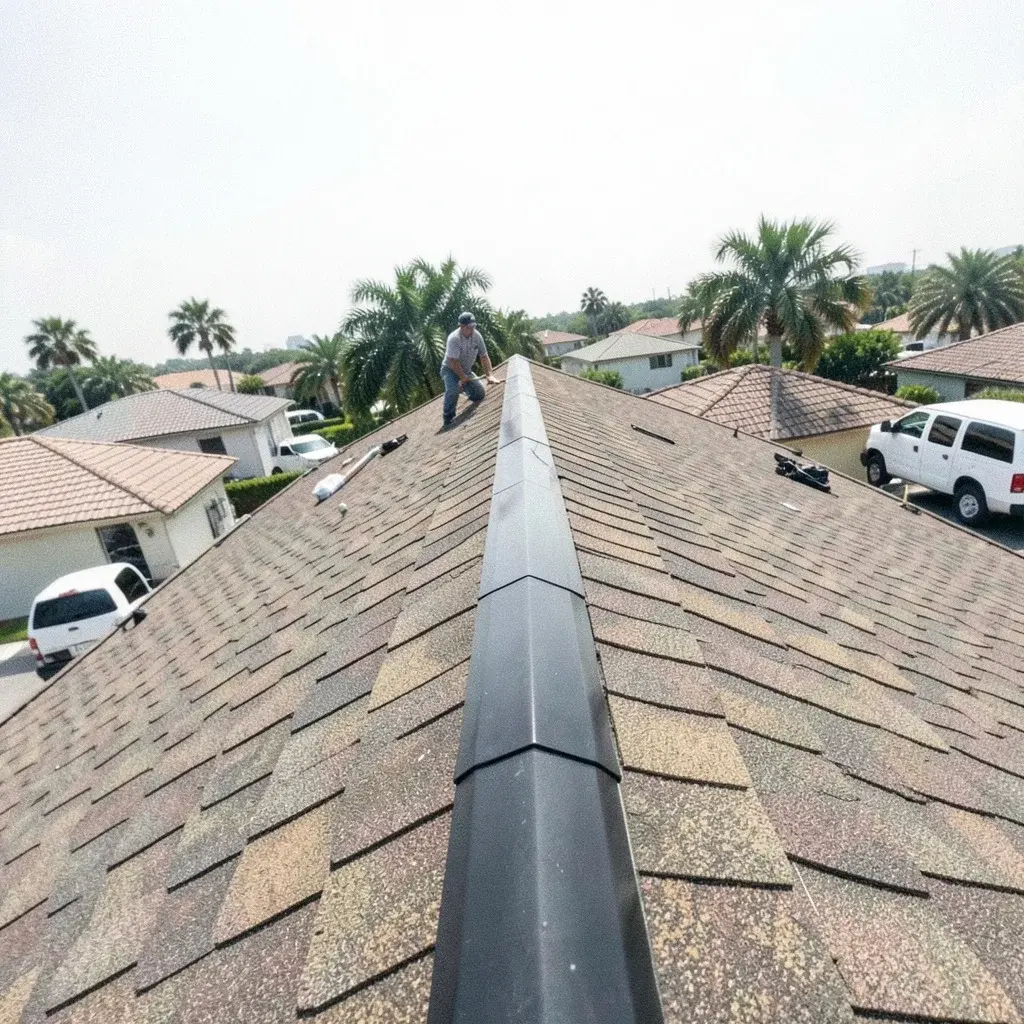
When water reaches a room, first limit what it can touch: move household items, catch drips, and keep the wet area clear. A musty odor can linger when moisture remains trapped in soft materials. Take an indoor photo before cleanup changes the visible condition. Keep electrical appliances away from standing water, and avoid touching wet switches. These steps help protect the room while you arrange an inspection.
From indoors or the ground, note visible changes without going onto the roof. On a ranch or split-level, you may be able to photograph a roof edge or a damaged area from a window or yard. Roof checks can include shingles, tiles, valleys, seams, vent boots, and flashing around chimneys or walls. These parts shed water in different ways, and a gap or worn section can interrupt that path. Leave roof access to the pros we connect you with.
Before booking, confirm $90–$350 and what the visit covers. A useful appointment can include a look at attic conditions and visible roofing, with attention to joints and penetrations where water may get through. Request written findings that name the component involved, describe the proposed repair boundary, and say whether further evaluation is recommended. This gives you a defined scope to review and clarifies what the inspection established before you decide how to proceed.
A roof leak may show up as a new stain, peeling paint, or damp insulation. Note when it appears and whether it changes after rain, then share those details with the pros we connect you with. They can assess likely entry points, such as worn shingles, flashing, or roof penetrations, and explain which repairs may address the damage. The right approach depends on the roof’s condition and what an inspection finds.
Roof and attic clues help trace water entry and focus leak source detection.
View Leak Inspection help in the United StatesTemporary cover options, safer indoor steps, and a plan for follow-up repair
View Emergency Leak Protection help in the United States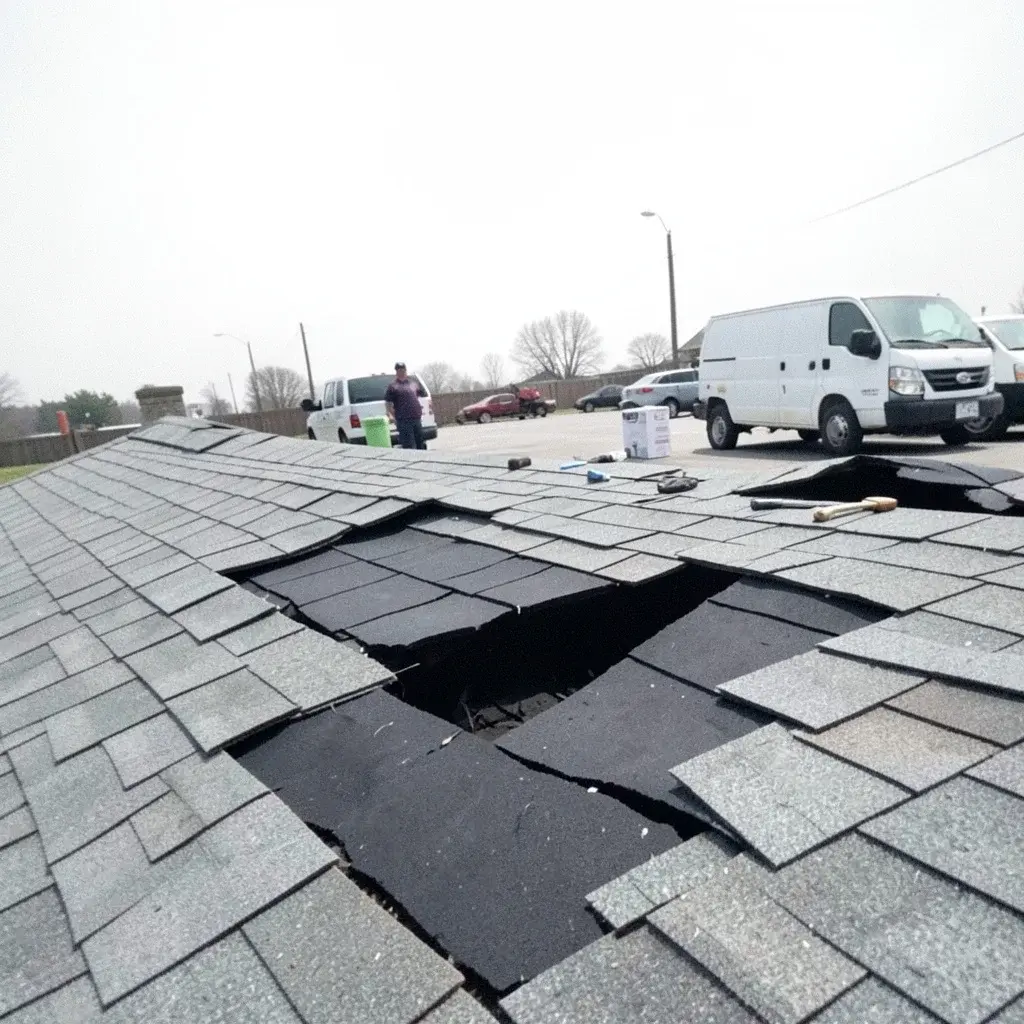
Note shingle damage and indoor leak marks, then ask a pro about repairs.
View Shingle Leak Repair help in the United States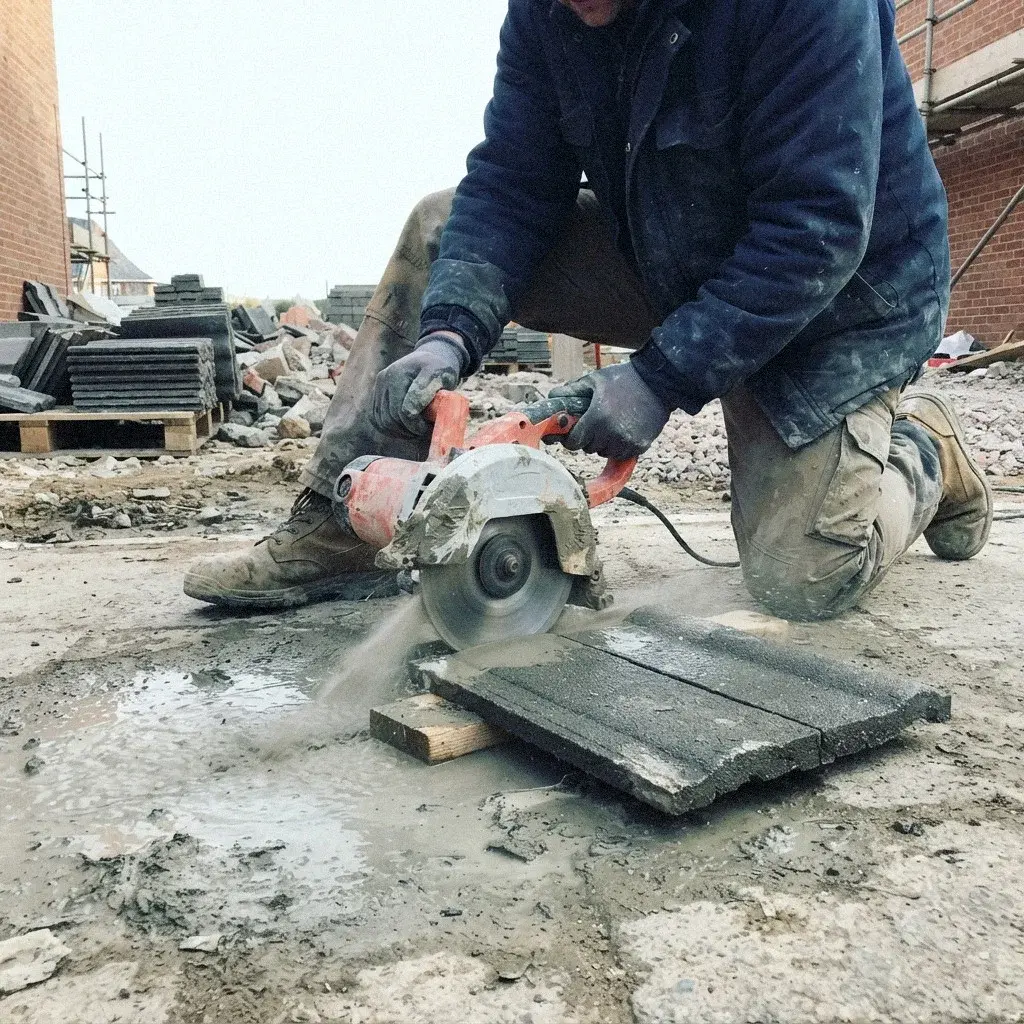
Tile repair follows the path from cracked pieces to worn underlayment
View Tile Roof Leak Repair help in the United StatesNot reliably. A loose roof vent seal can let rain in even when nearby shingles look intact. The stain marks where moisture became visible, not necessarily where the covering failed. A roofer can compare the ceiling area with attic clues and the roof above, using safe access. Avoid climbing up to trace it yourself; wet or steep surfaces can be dangerous.
A clear explanation links the suspected leak path to a roof part and describes what condition was observed there. The roofer can then explain what the proposed work would change and why a focused repair may be enough—or why more evaluation is needed. Ask what evidence supports the recommendation, what parts of the roof it covers, and what would remain outside the proposed work. The roof material also affects which methods fit.
It depends on the written scope. Work on the roof addresses the route by which water enters; drying materials or repairing a stained ceiling deals with effects inside the house. Those tasks may be arranged separately, so ask which indoor surfaces or materials are included and who handles them. If the ceiling is still damp, mention that before work is agreed. A roof repair alone does not describe the full interior restoration plan.
Plan around $250–$900 for this work for residential roof leak repair until the roof is checked. Material, the path water takes, and repair scope can change the total; the pros we connect you with confirm it after inspection.
Before arranging a visit, ask the independent licensed pros we connect you with if they serve your address and have an opening that fits your schedule. Check whether an inspection or site visit comes with a fee. Request a written outline of the leak repair they recommend, then ask whether the work includes a warranty and which parts or conditions it covers.
Call (855) 768-9249