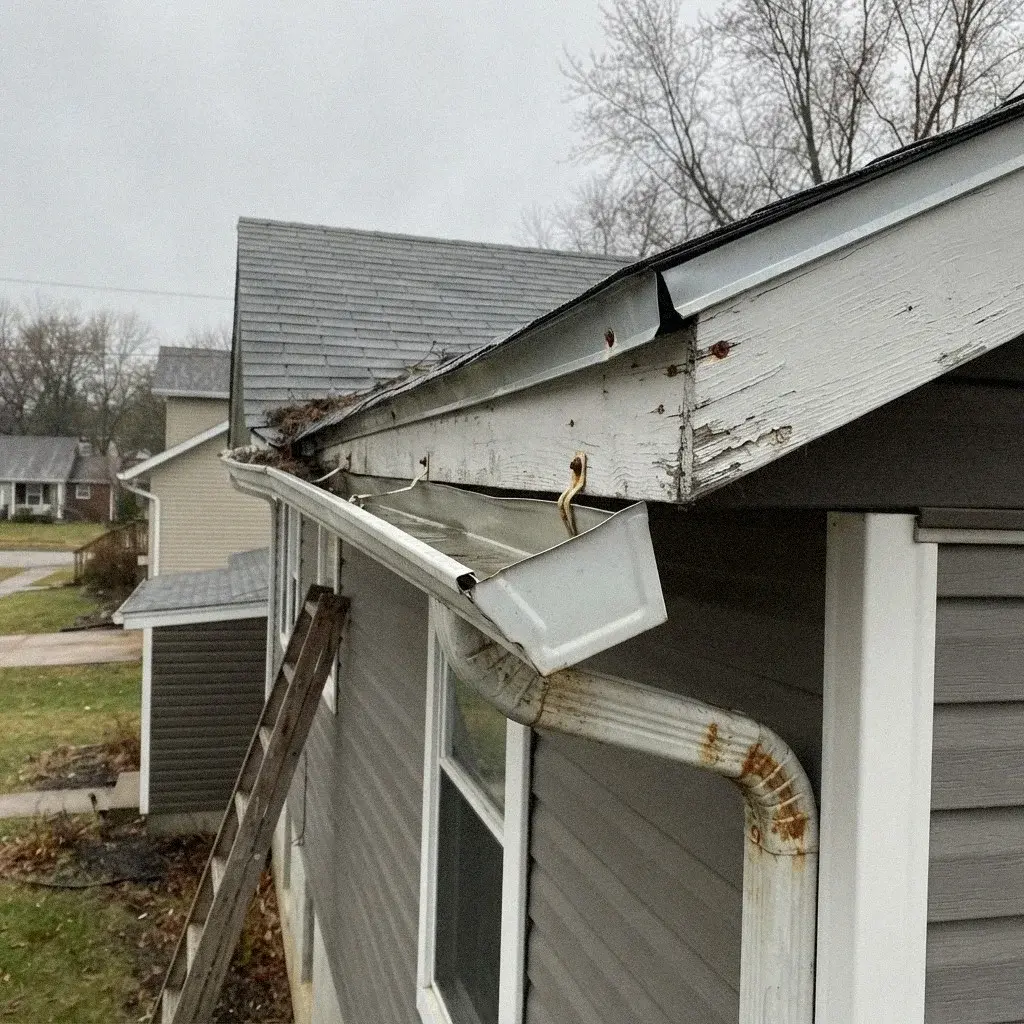
Leaks After Rain
Why can dripping continue after a storm ends? Learn how water held in roof layers affects timing, what to track, and when recurring drops call for inspection.
Read article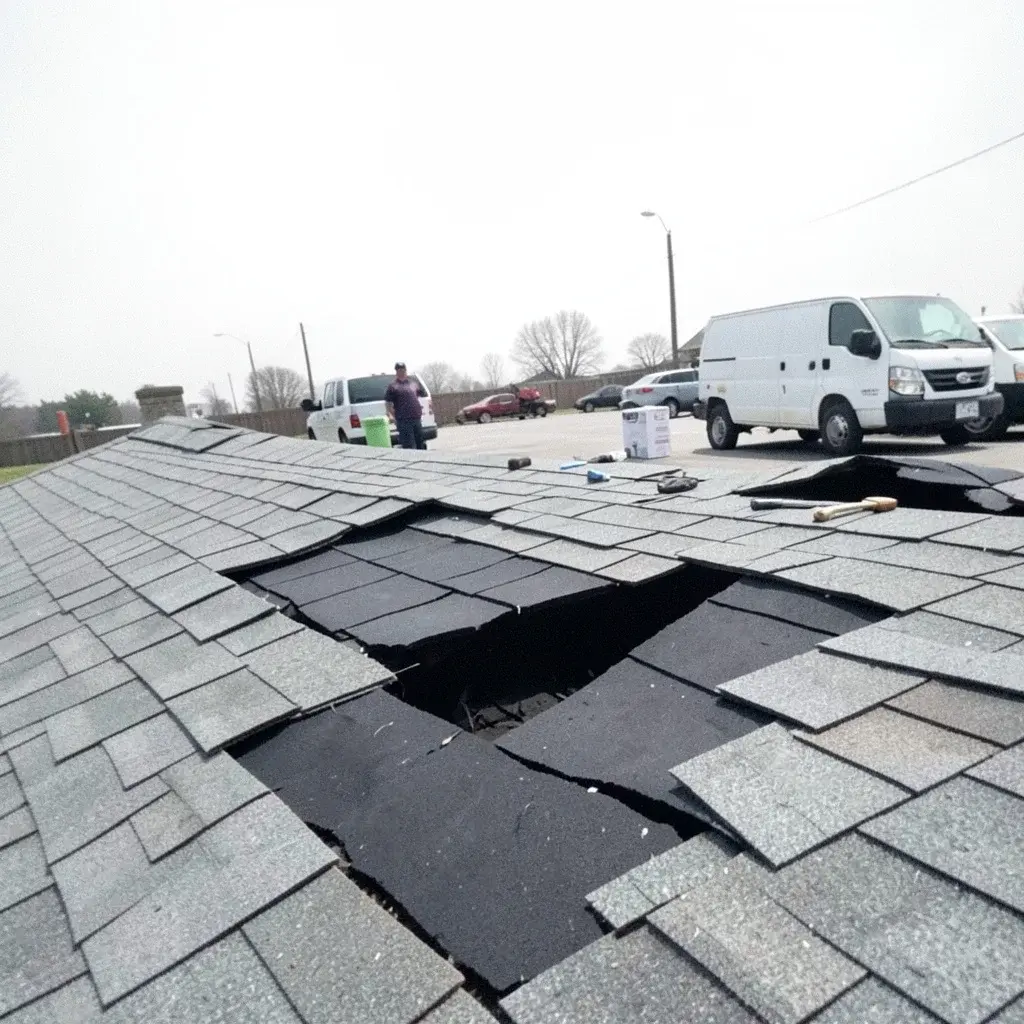
Note shingle damage and indoor leak marks, then ask a pro about repairs.
Shingles overlap in courses, so the position of a damaged tab can affect how it meets the surrounding shingles. A gap where a tab has broken away can leave the layer beneath exposed, and each course above it helps direct runoff down the roof. Locations with dedicated service pages are shown on the site; in other covered areas, the same referral is how you reach the pros we connect you with.
For shingle leak repair, the roofer checks whether a tab is split, lifted, or gone, then considers its fasteners and the flashing beside it. The repair area may need to open enough to reveal whether the layer underneath is sound. The roofer checks whether nearby shingles also need attention before closing the repair area. A written scope should identify the section to be repaired and explain what happens if the exposed base is damaged.
Damaged shingles can let water reach roof layers beneath them and leave the ceiling vulnerable to moisture. Areas with dedicated pages appear by location; requests elsewhere are connected through the same referral.
The residential path at residential roof leak repair service is for your household's roof; property owners handling rental units or commercial buildings can use commercial roof leak repair.
Look for a shingle tab split through its surface, missing a corner, or sitting unevenly against the course below. A missing tab can leave the layer beneath exposed, while a lifted one may no longer hold its overlap when runoff moves down the roof. Check indoors for changes in the ceiling or wall finish, and note which room is affected. Describe what changed in the ceiling or wall finish, including whether the change is new or growing. The licensed pros we connect you with can assess how the tab sits within its course.
Missing roof shingles leave a break in the roof's layered covering, and the exposed area can make the underlayment visible. After wind or other rough conditions, you may also find shingle pieces on the ground or in a gutter. These clues point to a possible opening, but they do not show whether nearby pieces or the base need work too. Keep to the ground when checking; a roofer can assess the roof and outline the repair area.
A shingle that shifts or lifts under wind may have a fastener that no longer holds it flat. From a safe place, look for a raised edge or a course that appears out of line, and note which roof face it is on. Do not test it by pulling or pressing on it. The roofer can check how the fasteners hold and whether flashing at a nearby wall, chimney, or roof opening also needs attention.
The licensed pros we connect you with can explain what details will help them understand the repair request.
An indoor stain may not show the exact spot where water is entering the roof.
The roofer checks whether surrounding shingles can remain in place as the damaged section is opened.
Review the completed section, photos, and written notes with the roofer, including any concealed damage or follow-up work.
Shingles shed water by overlapping, so a cracked, raised, or absent piece can leave a route beneath the visible surface. Fasteners help keep the courses in position; loose ones can let edges lift again. A sound repair addresses the damaged section and checks whether its base still holds. On a house with a ranch or split-level roofline, nearby flashing and transitions may also affect how the repaired area sheds water.
Permit rules for roof repairs can differ by the place where the home sits and by the work proposed. Before scheduling, ask the local building department or the pros we connect you with whether this repair needs a permit, who handles any application, and what record you should keep. If the repair uncovers damage below the shingles, ask whether that changes the scope or the permit answer. Record the response with the written estimate and final paperwork.
Ask for a written description of the shingle area, the materials and fastening approach, the stated limits, and how concealed damage will be handled. Request photos of the roof condition before and after the work, along with notes on any area the roofer could not assess. Keep the estimate, agreement, receipts, and any permit records together. Those documents give you a clear account of what the pros we connect you with found and repaired.
Treat Shingle Leak Repair figures as provisional: the leak source and work needed affect cost. Ask the contractor to explain the inspection account, disclose any callout fee, and record the agreed tasks.
| Inspection Notes | Repair Details | Estimate Terms |
|---|---|---|
| Spot correction | Repair one failed roof part; surrounding sound coverage remains untouched | an estimated $90–$275 |
| Roof-feature work | Trace and address one roof opening; separate water sources need added scope | an estimated $105–$360 |
| Broad-area work | Localized minor fault addressed while any spreading deterioration remains separate | an estimated $90–$275 |
| New roof covering | Replace or mend one deteriorated piece; sound sections are not included | an estimated $215–$1,100 |
Look for the choices behind the total: how much repair work is proposed, whether related tasks are included, and whether a more durable part is an option. The full pricing guide explains these cost factors; use it to prepare questions about the scope in your estimate.
The roofer lifts or removes the damaged pieces to reach the fasteners and surface below, then checks whether that base can support a repair. If it is sound, the pro can fit compatible shingles into the opening and secure them so their edges overlap the surrounding courses. The roofer should also check nearby flashing and explain any additional work if the exposed layer is damaged.
A shingle repair can address a limited damaged area while leaving sound shingles in place. The roofer first determines how far the problem extends and whether the layer beneath can hold the repair. If damage continues beyond the visible pieces, the written scope should describe that added work. Ask the pro to explain what was found before approving a change to the agreed repair.
The cost depends on how many shingles are involved, their type and availability, roof pitch, access needs, and whether fasteners, flashing, or the underlying surface also require work. A roofer can base an estimate on the proposed repair area and explain what could change if concealed damage appears. Ask for those assumptions in writing so you can compare the scope as well as the total.
Yes. Take pictures of visible shingle changes from a safe location and photograph indoor water marks as they appear. If a roofer inspects the area, ask for photos of the roof condition and a written summary of what the proposed repair addresses. Note when each mark first appears and whether it changes over time.
If the exposed surface is soft, split, or otherwise unable to hold fasteners, adding shingles alone may not make a sound repair. The roofer should show or document the condition and explain what work is needed below the covering before closing the area. Ask whether the added work changes the estimate, schedule, or permit requirements, and have any revised scope put in writing.
If a roofer uses a temporary measure while arranging the repair, ask which section it covers, what limits it has, and how soon the permanent work is expected. Ask whether the temporary measure needs to be checked again before the permanent repair. A temporary measure is not proof that damaged shingles or any affected layer beneath them have been repaired.
$90–$275 for this work is the estimated band for shingle leak repair. A roof leak may travel beneath the surface before it becomes visible indoors.
Build a working picture of roof leak repair before discussing your situation with a roofer.
Why can dripping continue after a storm ends? Learn how water held in roof layers affects timing, what to track, and when recurring drops call for inspection.
Read article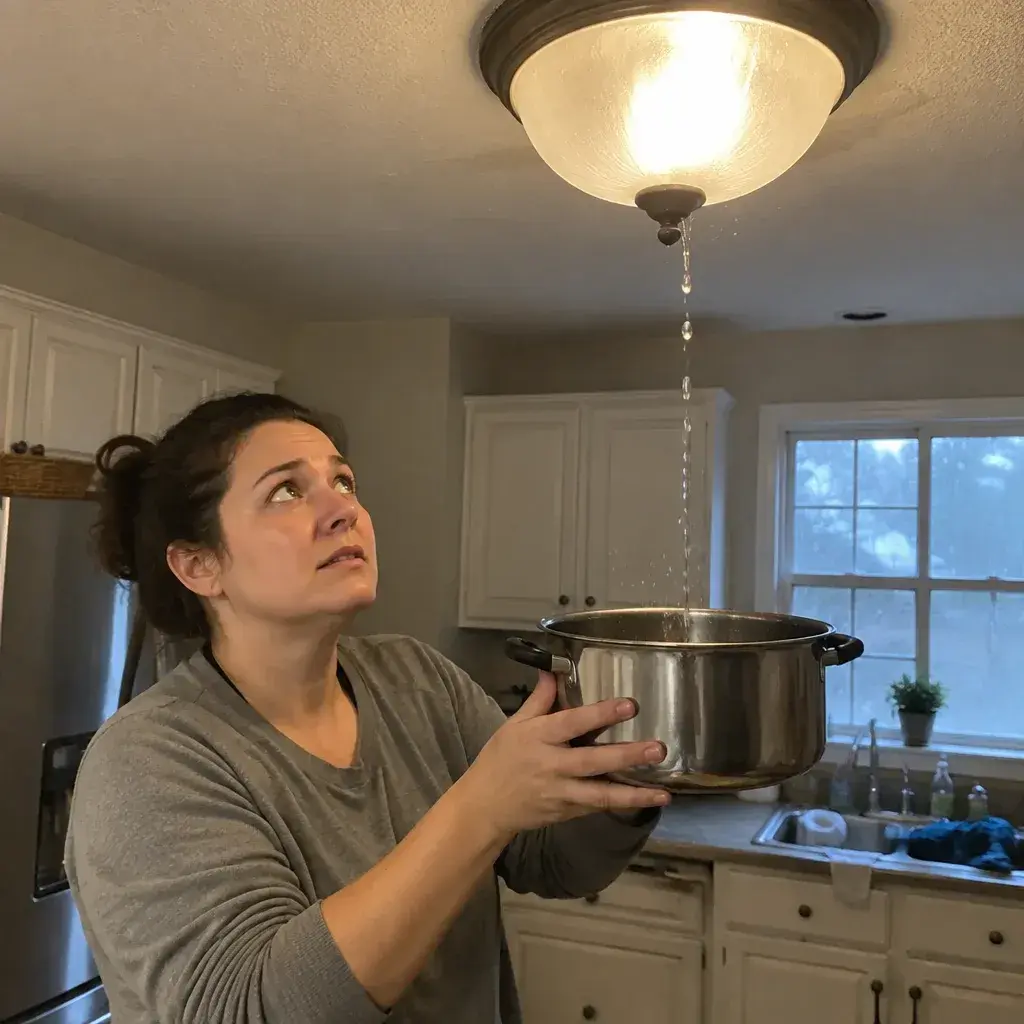
Why can a roof leak only during heavy rain? Learn how runoff, roof openings, and storm timing can explain the pattern and help guide a professional assessment.
Read article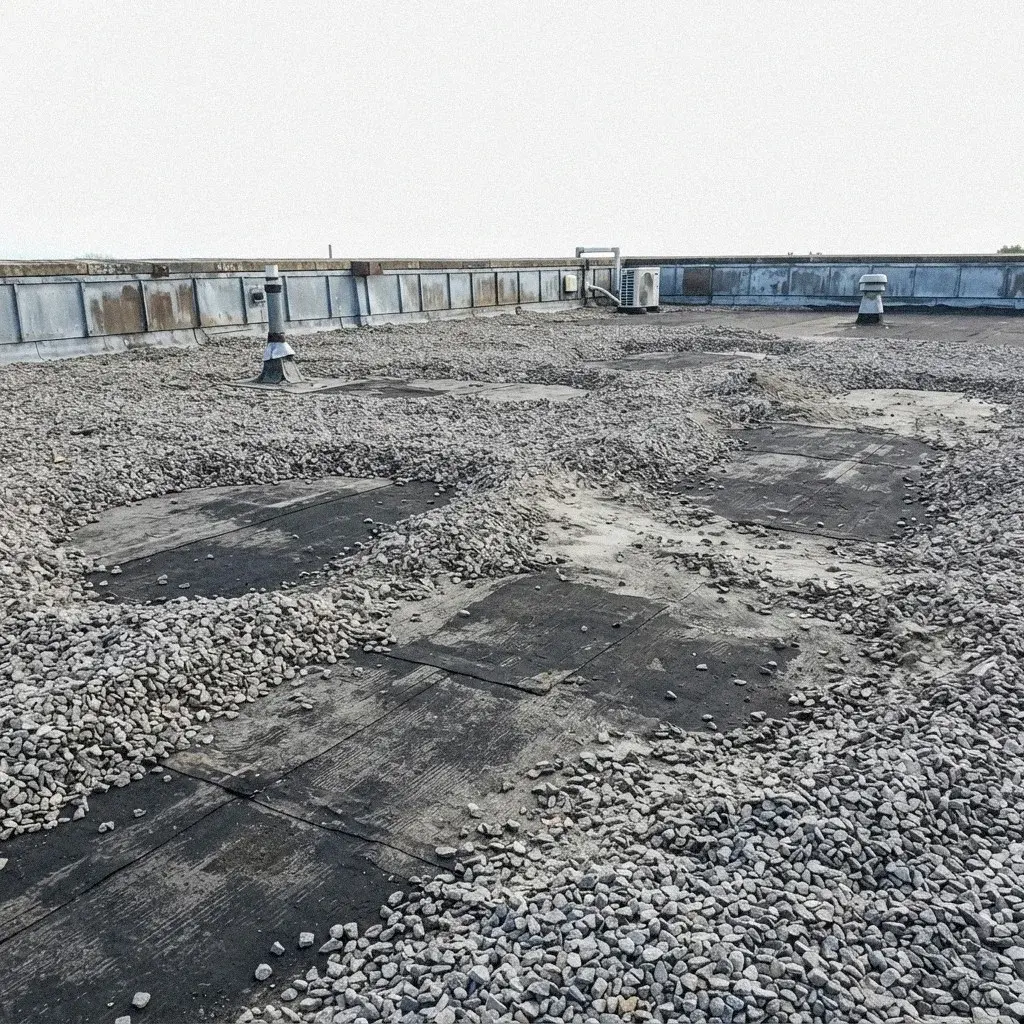
Rain pushed sideways can reach roof openings that remain dry in calmer conditions. Learn how wind direction, roof clues, and leak timing help guide an inspection.
Read articleKeep notes on when the leak appears and how it changes. Tell them the roof type and where water appears inside, since the indoor spot may not match the roof entry. Ask about scheduling and any inspection fee. If repair is proposed, request a written account of the work, clarify separate charges, and review the warranty terms before deciding how to proceed.
Call (855) 768-9249