Leak Types
Roof Leak Types for the United States Homes
Start indoors, then use the attic to narrow the search before considering roof evidence. A ceiling mark that changes after plumbing use can point to a source other than rain. At chimneys, walls, and openings, flashing turns water away from joints; gaps can alter that route. Gutter overflow can send water back beneath the roof edge. In a ranch or split-level, treat each clue separately.
ROOF MATERIALS
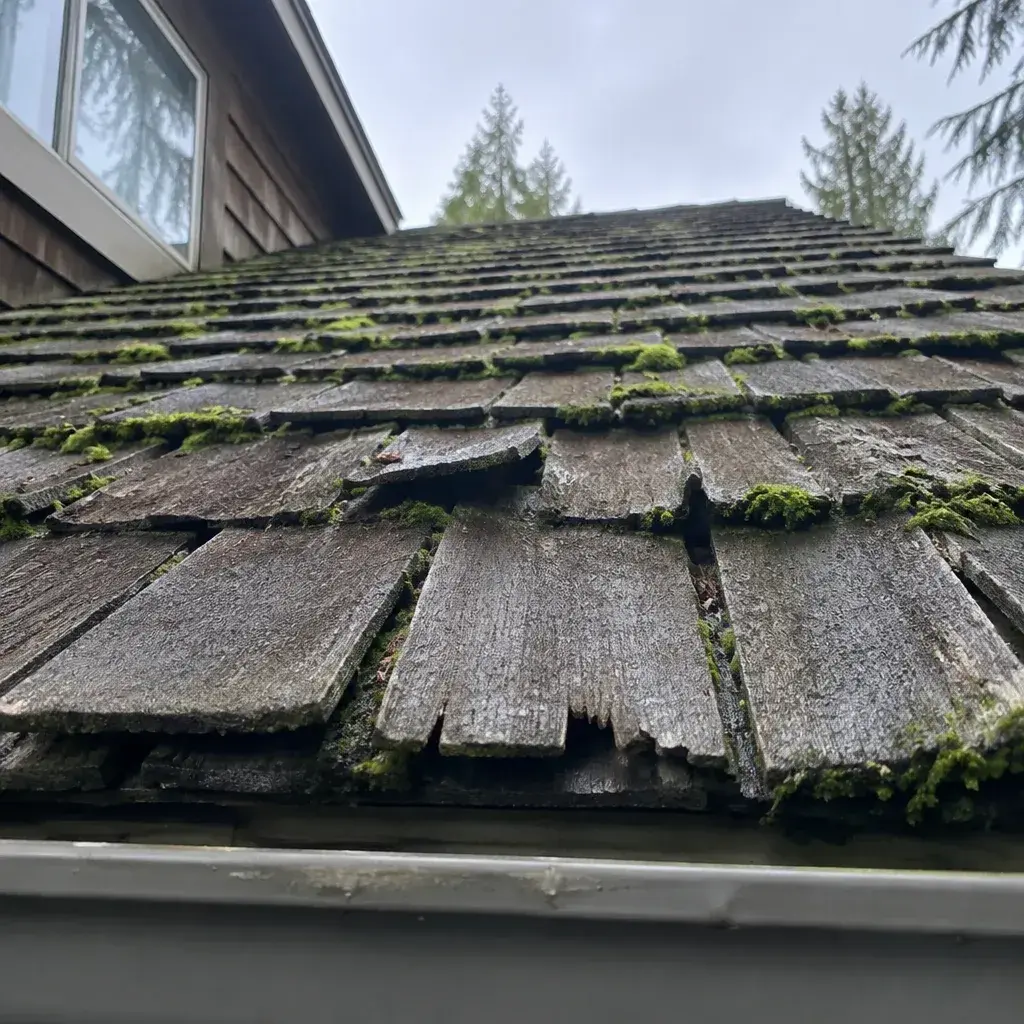
Begin with roof and attic evidence, then compare it with the indoor mark: water can cross framing before a ceiling shows damage. Openings may involve damaged shingles, flashing at a chimney or vent, a valley, or a roof seam; inspection can help trace the route without promising a diagnosis. This page covers leak repairs, while roof replacement addresses broader roof work. Inspection findings, affected parts, and roof material shape the approach and cost. The indoor stain can show where water reached the ceiling, while the roof opening may be elsewhere.
The room where you notice a mark may be far from the roof part that let water in. After reaching the roof deck, moisture can shift sideways or follow framing until it finds a way indoors, so a spot on a ranch ceiling or a split-level wall does not pinpoint the opening above it. Attic evidence can help connect those locations: look for damp material or darkened wood along the route. The mark shows where water became visible inside; tracing its path takes more than looking straight up.
Common Leak Concerns
Leak Repair FAQs
How can I tell which roof area may be letting water in?
Start with the roof details where materials meet or change direction. Wind-driven rain can get beneath an edge even when the nearby roof surface looks intact. The roof style matters too: a seam on a low-slope roof is a different clue from a break in a shingle field. An inspection can narrow the likely source.
Will a ceiling stain be directly below the roof leak?
Not always. After water passes the roof surface, it can follow the slope of the decking or move along a framing member before dripping into a room. Insulation can hold moisture and delay when a leak becomes visible below. The stain helps show where water became visible indoors, but its position alone cannot identify the roof opening.
What can a roof inspection tell me about a leak?
An inspection can compare the condition of visible roof materials with moisture evidence in the attic and the location of indoor marks. Those observations may point to a likely entry area, show which components appear affected, or leave the source uncertain and call for further evaluation. A dry indoor mark may remain after water stops entering through the roof.
When can I weigh options for repairing a roof leak?
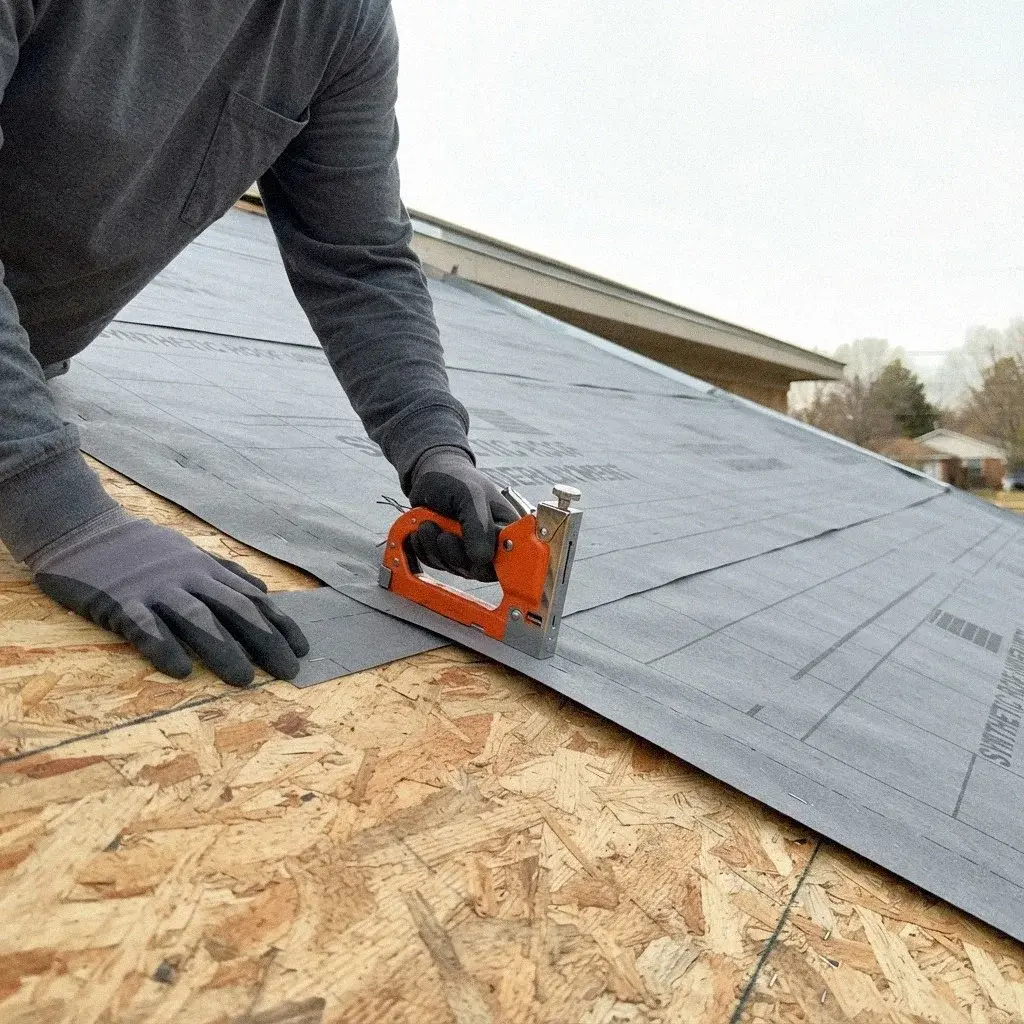
No. A roof leak repair and a roof replacement are not automatically the same decision. A leak may involve one roof component, such as a vent boot or flashing, while replacement may be considered if inspection finds a broader roof condition. Roof material changes the comparison: a seam on a flat roof differs from shingles or tiles. Water may travel through the roof before showing up as a ceiling stain.
Start an Inquiry
Roof Leak Repair from Clue to Scope
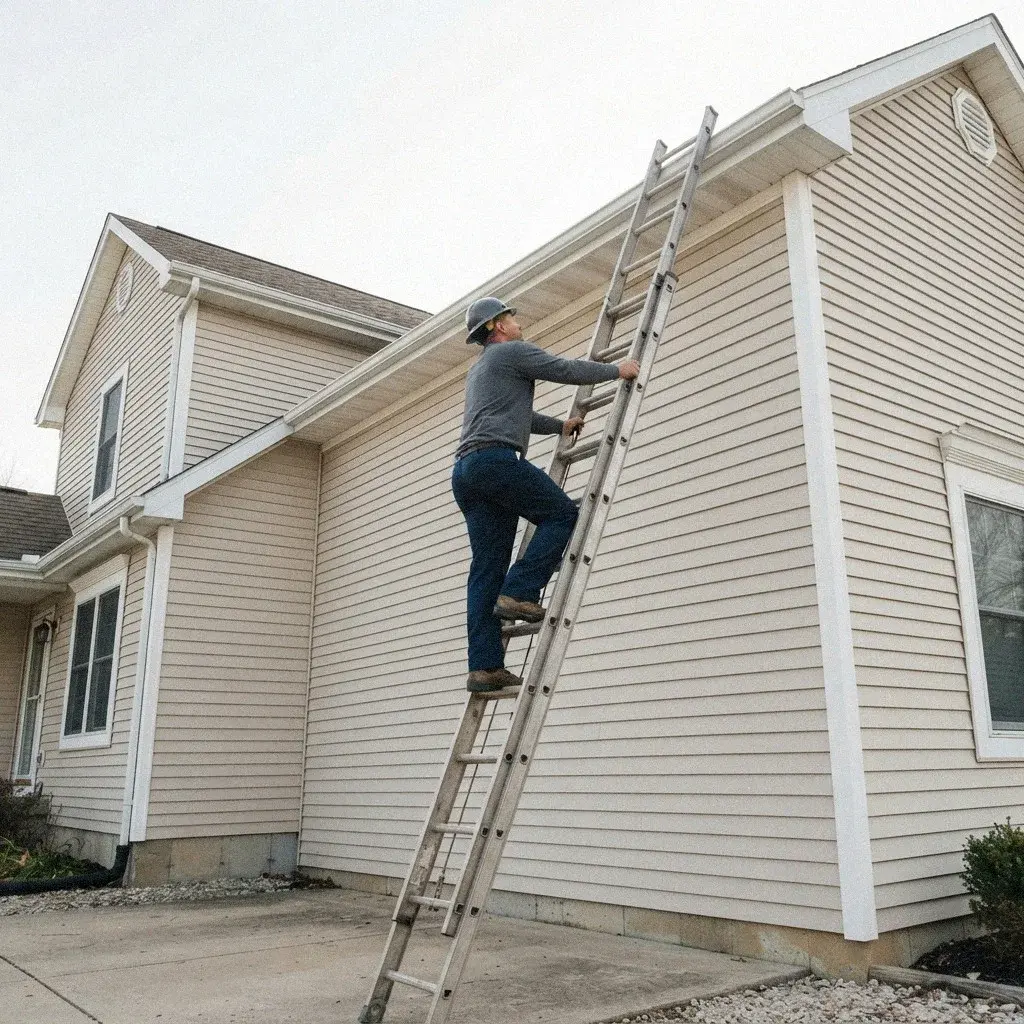
The first useful step is to locate where water passes through the roof and identify the affected material. A stain inside may be offset from that point because water can move along the structure before it shows. Note whether the area feels damp now or only shows an older stain. Ask the pros we connect you with about scheduling and any inspection charge, then request the findings, proposed work, separate charges, and warranty terms in writing.
Call (855) 768-9249