Why Heavy Rain Triggers Roof Leaks
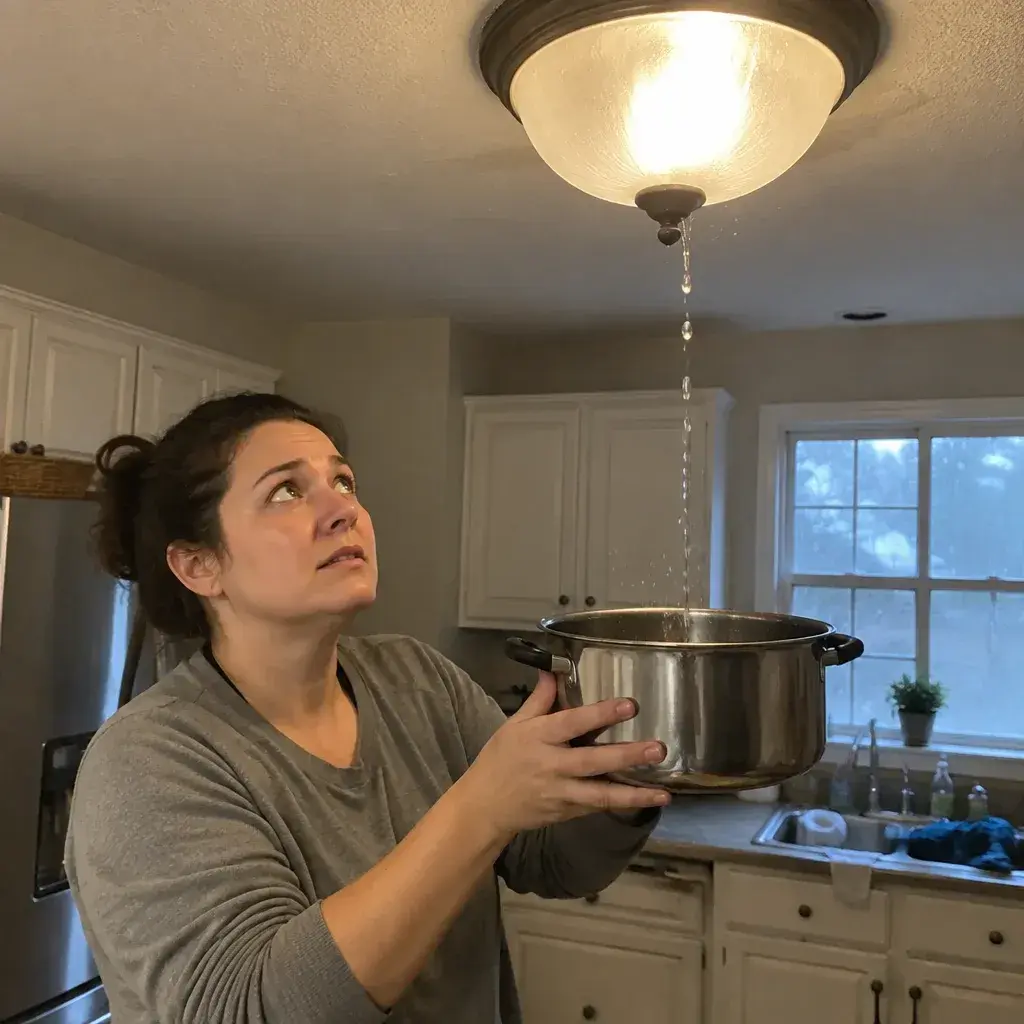
The first indoor clues may be a ceiling stain or a drip, and recording where they appear can help describe the leak. A small gap around a roof component can be overwhelmed as runoff builds, even if ordinary showers do not expose it. That pattern points to a leak under heavier water load; it does not identify the damaged part by itself. The sections below explain how rain volume, roof details, and the leak’s timing can help narrow the cause.
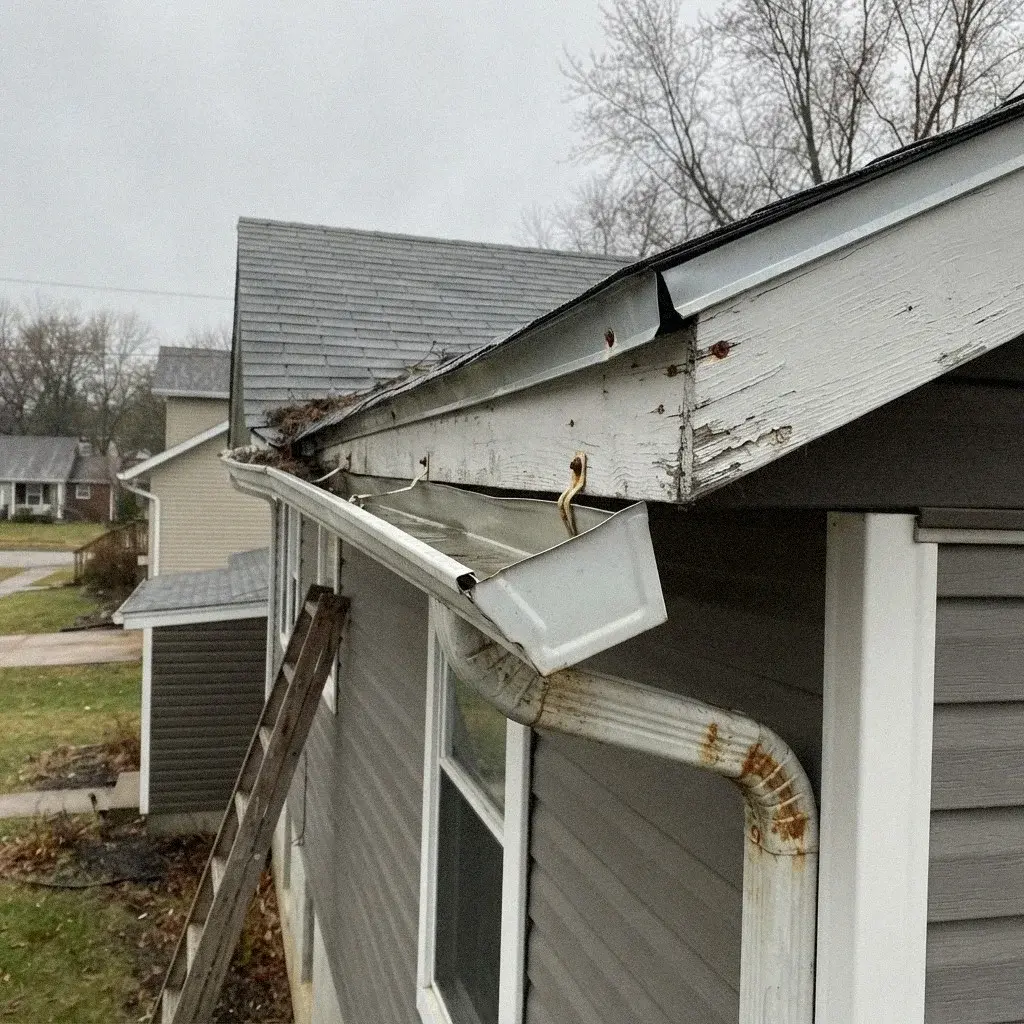
Next, consider where runoff gathers and how quickly it can leave. Valleys carry water from adjoining roof slopes, while gutters and roof edges handle water moving toward the perimeter. If a drainage route is obstructed or cannot keep pace with intense rain, water may linger near a vulnerable joint or covering. The same issue can arise on a ranch or split-level house, though roof design and condition determine where water concentrates. Drainage clues help frame the investigation, but a professional needs to assess the roof itself.
Roof Leak Repair and Entry Points
Track when water first appears, how intense the rain is, and whether the leak changes as rainfall continues. A large volume of water can reach roof details faster than it drains away, allowing a vulnerable seam, flashing joint, or vent opening to admit water. The indoor mark does not identify the entry point, so note its location and timing. Moisture around a vent may point to a gap in its seal, while a stain farther away can show where water traveled inside the roof.
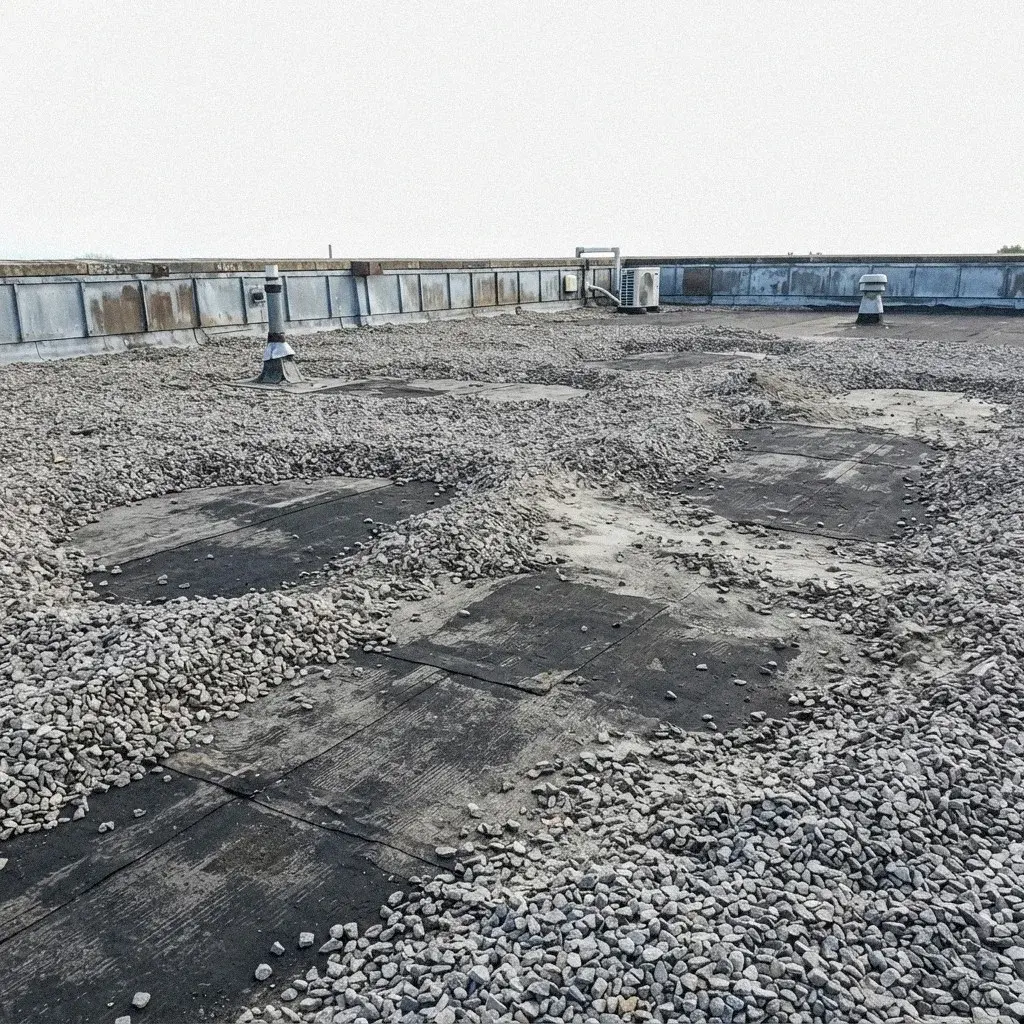
Check how the roof handles runoff around its details. Valleys collect water from adjoining slopes, while flashing at chimneys, walls, and roof penetrations protects the joints there. Heavy flow may reveal a weakness in one of those areas even when ordinary rain does not. A low-slope roof has seams to assess, while a shingle roof has different vulnerable details. The roof’s material and condition guide what the pro examines and which repair may fit.
Roof Leak Repair Storm Patterns
Keep a short record for each storm. Note when the first moisture appears, whether rain is light or intense at that moment, and whether the leak stops as rainfall eases. Mark the room and spot affected, and record whether the water drips, spreads, or returns later in the same storm. These details can help distinguish a leak that responds to rising runoff from one that follows another condition. A written timeline is useful when the roof is dry again and the pattern is harder to recall.
If water is coming in, move valuables away and place a container beneath active drips while you arrange an assessment. Do not go onto the roof during a storm; wet surfaces and steep slopes can make access hazardous. Share your rain notes and photos of indoor stains or visible damage with the independent local pro you contact. Note whether indoor stains spread after rain ends, since moisture may keep moving through roof layers.
Arrange Roof Leak Repair Assessment
Arrange a professional assessment if water enters the home, the stain grows, or the same area leaks in another storm. While waiting, protect belongings and catch drips indoors. Make room for the licensed pros we connect you with to inspect the affected area and roof components. Repair work may be localized or require a closer evaluation; the roof material, affected components, and inspection findings guide that decision.
This is a national page: dedicated pages describe locations the site covers, and elsewhere the same referral connects you with local pros. The pros we connect you with can compare the timing and indoor evidence you recorded with the roof’s condition. Ask which roof components they checked and what condition they found. If the visible stain is far from the roof area they identify, ask how they traced the water’s route before deciding on repairs.
Dealing with a roof leak at your home?
Start by noting where the ceiling stain or bubbling paint appears. Look for peeling paint or a soft patch around the stain, not just a change in color. Moisture may also affect insulation or wood above the ceiling. Call (855) 768-9249 with your address to ask whether they serve it, when they may visit, and whether a visit charge applies. Ask what roof or attic findings point to the proposed repair, and which affected component the work would address.