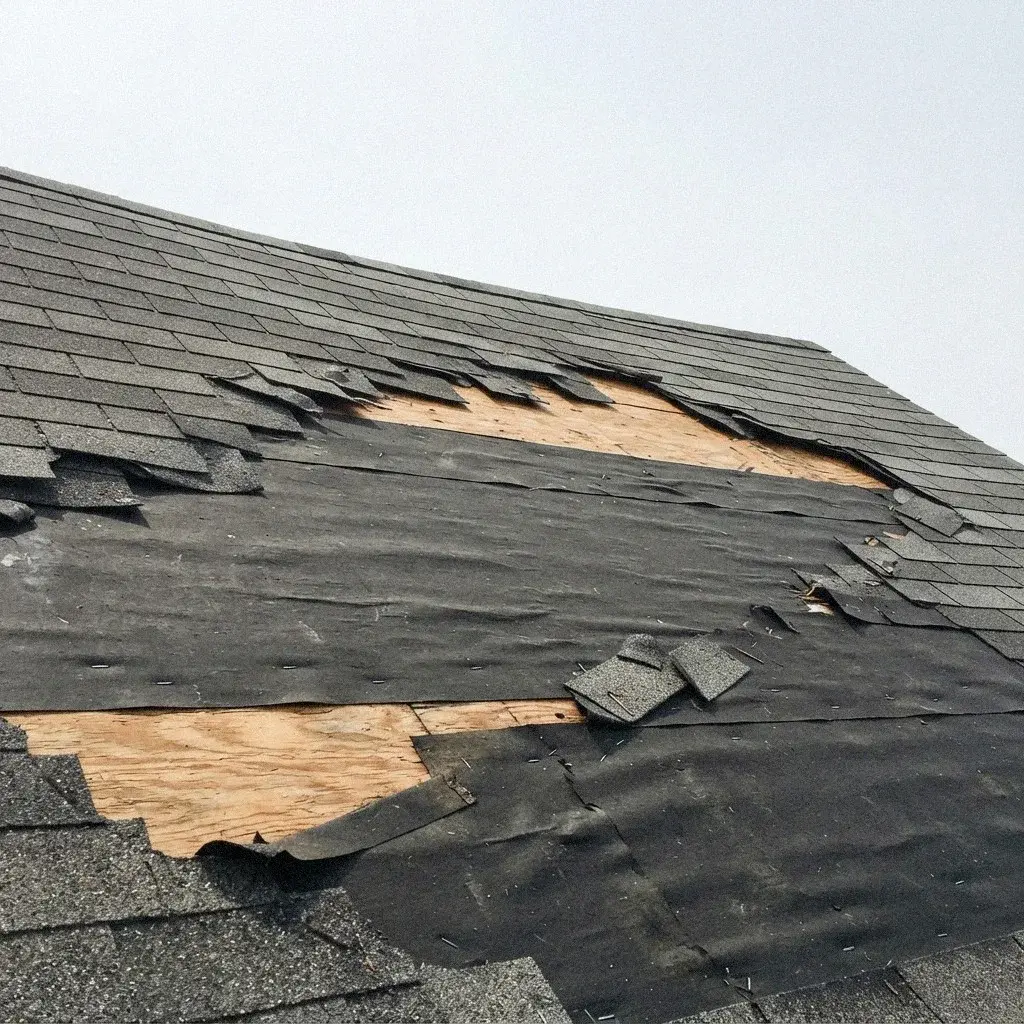
United States Roof Leak Repair for Damaged Decking
Follow seasonal evidence from damaged decking to the roof entry point and the work that reconnects both.
The pros we connect you with assess the deck’s condition, replace wood that cannot support the roof covering, and correct the roof component that admitted water. Documenting both areas helps show how the work addresses the damaged substrate and the leak source.
Check Decking After Seasonal Water Exposure
At a seasonal check, start inside where water has appeared, then look at the roof deck from the attic if it is safely accessible. The deck supports the roof layers, so dampness, sagging, or a musty area can help show where its condition needs closer review. Note whether insulation near the affected area is damp or displaced, since that can show how far moisture spread.
Next, note whether the exposed wood feels firm and holds its shape, or shows swelling, flaking, or darkened areas. A split around a fastener can provide another clue about how water reached the deck. Record the findings before the roof is opened, especially if the evidence changes after rain; that gives you a useful reference when the decking and roof layers are visible.
A panel may still serve its purpose even when it has a surface mark, while a small patch can be too weak to hold roofing fasteners. The roofer assesses whether the wood remains stable and whether its connection to the supports is sound. The repair line follows that condition, not the outline of an indoor stain. This distinction matters on ranches and split-levels alike, where water can take a winding route.
Set the Deck Replacement Boundary
Once the affected zone is documented, the roof covering is lifted in the area needed to expose the decking. That access helps connect the damaged wood to the roof component admitting water, such as flashing around a penetration or a seam. Both parts belong in the repair plan: replacing the substrate while leaving the entry source open would leave the assembly exposed to more water.
The roofer removes wood that has lost the strength needed to support the roof layers or accept fasteners. The cut is planned around the panel layout and the framing beneath it, so the remaining deck does not end in an unsupported sliver. If the weak area reaches farther than expected, the opening may grow to reach sound attachment points. Photos as work proceeds can make that change clear.
Roof decking gives the covering a fastening base and transfers its load to the framing. Before the work is closed in, document the affected wood and the roof assembly above it in photos, including panel edges, nearby supports, and the component associated with the leak. On a ranch or split-level, that record can help you understand how the repair relates to the roof plane and the visible damage. Keep the images with the inspection notes so the completed work can be compared with the conditions found.
Repair the Entry Point Before Closure
Replacement decking is fitted to the roof assembly and attached where the framing can carry it. Its surface needs to meet the surrounding deck without a raised edge or dip, because the roof layers above follow that plane. The right panel material and thickness depend on what is already in place. A neat fit also helps the roofer restore the covering without leaving a low spot that can collect water.
With the old panel out, the exposed framing can be checked for visible dampness, splitting, or a weakened fastening area. If a support cannot hold the new panel securely, that issue needs to be addressed in the scope before the opening is closed. Replacing the deck alone cannot correct a framing problem. The inspection record should distinguish what was found in the wood panel from what was found beneath it.
Document Decking and Leak Repairs
Keep a repair record that follows the work in sequence: the original indoor evidence, the roof area before opening, the exposed deck and supports, and the completed repair. Include notes on which wood was retained or replaced and how the suspected entry source was handled. Photos of each stage can show whether the finished work addresses the same area recorded at the start.
After the roof is closed, compare the completed area with the documented plan: the replacement should be attached to support, and the water entry component should be included in the work record. If water appears indoors again, note where and when it shows rather than treating the old stain as proof of a new failure. Keep indoor items clear of active drips while an inspection is arranged.
Roof Deck Repair Scope Checks
- Record panel condition, moisture readings, and support locations before the roof covering is lifted.
- Ask the estimate to connect the damaged decking area with the roof component that let water in.
- Check that the plan explains where replacement edges will attach and how the roof opening will be closed.
- After rain, compare underside marks with panel moisture and fastening hold; record whether swelling or separation affects the deck’s ability to carry roof layers.
- Map the proposed opening against rafters and panel seams, noting where cuts can land on supported wood and how replacement edges will attach.
- Trace deck damage to the roof assembly above, then document the failed transition or penetration that needs correction before the covering is restored.
Leak Repair FAQs
What signs show leak-damaged decking cannot support the roof?
The roofer checks the panel for softness, swelling, separation, and its ability to hold fasteners, then compares that evidence with the exposed supports. Wood that no longer provides a dependable base is marked for removal. Moisture readings and photographs can help document the condition, but the repair decision also depends on how the deck and its attachment perform.
How do roofers decide where to remove damaged decking?
The removal line includes wood that cannot support the roof layers and leaves enough sound, supported edge for the replacement to attach. The opening may extend beyond the visible damage if the weak area ends between framing members. Once exposed, the roofer can record the panel layout and support locations so the proposed boundary has a clear basis.
When should the roof entry point be corrected during deck repair?
Decking supports the roof covering, so the pros we connect you with check whether the wood can still hold fasteners and whether its edges have support. Firm material may remain; soft or deteriorated sections may need replacement to a sound, supported edge. If nearby framing is affected, the repair area may extend beyond the visibly damaged panel. Ask for the findings behind the proposed limits.
What Should the Repair Scope Include?
Ask the pros we connect you with to document damaged decking, its supports, and the roof entry point before they outline the repair scope.
Call (855) 768-9249