United States Roof Leak Repair for Underlayment
A damaged or uneven base can affect how well new flooring sits, so the licensed pros we connect you with can assess the underlayment.
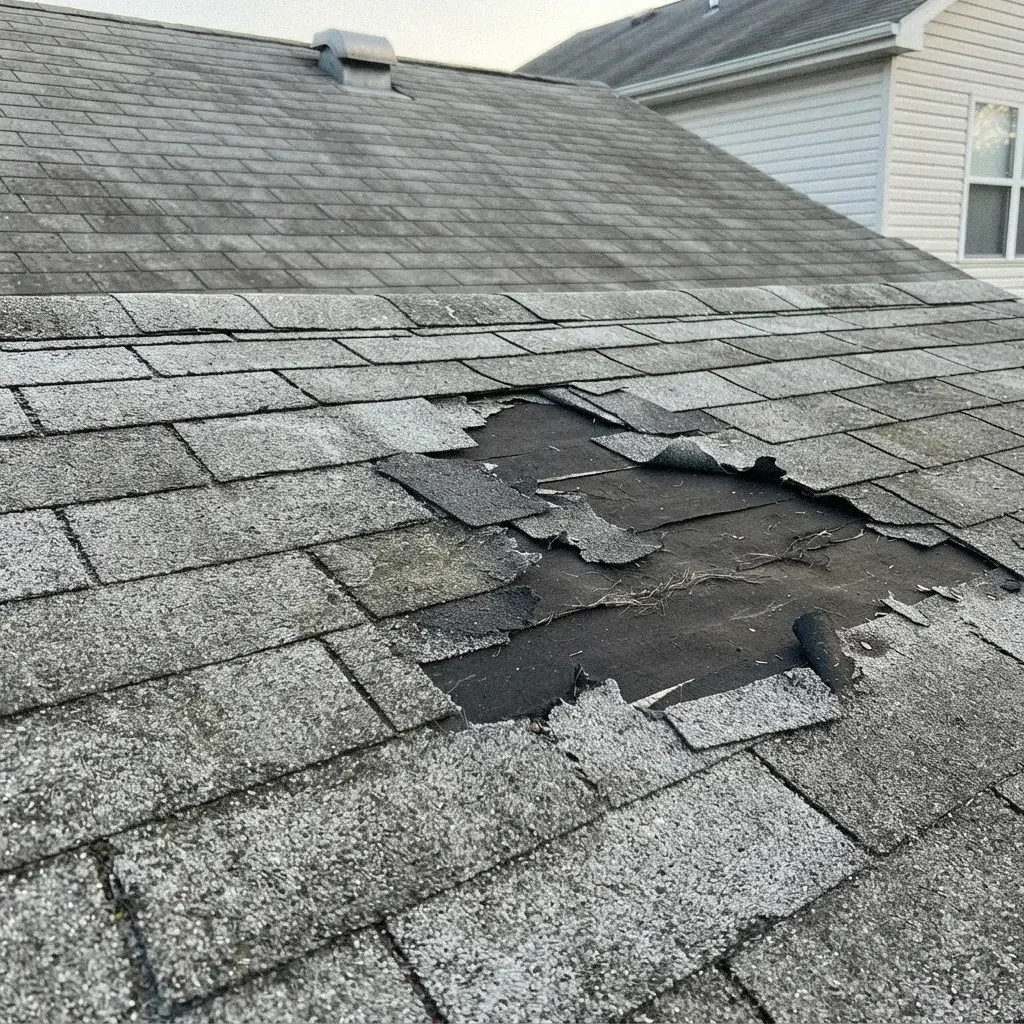
For a roof underlayment leak, access comes first: the roof covering must be lifted to expose the layer beneath it. Underlayment repair can stay limited when the exposed failure ends within sound material; if deterioration continues beneath neighboring covering, the repair may need to extend farther.
Roof Leak Repair Starts at Underlayment
Check the roof covering first, then judge the underlayment where the inspection can expose it. Beneath tile, metal, shingles, or another surface, this layer helps carry water downslope when moisture passes the outer covering. A roof underlayment leak is repairable in a confined area when the opening can be traced to a limited defect and material beyond it remains capable of directing water. The visible room stain alone cannot establish that boundary; the assessment depends on what the opened roof reveals.
A localized failure has a readable edge. The roofer may find one puncture, split, or separated joint, with nearby material still attached and holding its shape. Compare the suspected area with the next seams and fastener points: if they remain closed and the surface does not keep tearing, a limited underlayment repair may be feasible. A ranch with a simple roof plane and a split-level with several intersections can expose different amounts of material, so the boundary must be judged on the roof itself.
Access depends on the covering. Tile may need to be lifted in sequence and set aside so the layer beneath can be examined, while shingle assemblies require releasing courses around the affected spot. On a low-slope roof, the roofer may work from a membrane seam or surface cutout, depending on its construction. The exposed roof deck can also show whether moisture has affected the layer beneath the underlayment.
Roof Leak Repair Requires Covering Access
The exposed area should be large enough to show whether the defect stops or continues beneath the covering. Ask the roofer to explain what was opened, which portion of the underlayment was visible, and how the proposed repair boundary was chosen. The inspection should distinguish a single damaged section from a condition that carries into the next course or joint. If the view ends before the suspected damage does, the assessment remains incomplete and the scope should say what still needs examination.
Material beside the opening helps show whether a patch can hold. If it stays pliable, lies flat, and does not pull away at adjacent joints, the roofer has a firmer basis for a confined underlayment repair. Ask what repair material will meet the existing layer and how its edges will be sealed or overlapped. The details depend on the roof assembly; a repair that does not join securely to the surrounding surface may leave another route for water.
Roof intersections can limit what a small opening reveals. A valley, wall transition, vent, or change in roof plane may place a seam beneath overlapping material, so the visible tear may not mark the full extent of the failure. Ask whether those adjoining areas were exposed or remain hidden, and have the roofer identify the limit in the written scope. This lets you compare the proposed work with the actual view, including sections that could not be reached without opening more of the covering.
Roof Leak Repair at a Defined Failure Edge
A narrow repair becomes less dependable when the layer gives way as it is examined. Brittle edges, multiple splits, loose joints, or material that pulls apart beyond the first defect suggest the failure may extend past a patchable spot. Ask the roofer to show where the surface changes from weak to sound and whether that transition is clear across the area being considered. If no stable edge can be identified, the repair boundary may need to widen before work is planned.
Broader replacement may be considered when damage runs across several joints or continues into adjoining sections, rather than ending around one opening. The roofer should explain which parts can remain and what condition makes the rest unsuitable for a confined repair. On a subdivision roof with intersecting planes, the affected area may follow a seam or transition, so the proposed extent should correspond to what inspection exposed. The reason for widening the work should be visible in the findings and scope.
Roof Leak Repair When Damage Extends
Before approving work, ask the roofer to name the roof plane, describe the exposed underlayment defect, and mark the proposed repair limits. Ask what material will be installed, how it will join the existing layer, and how the roof covering will be reset. The explanation should connect each step to an observed condition. If the proposed area extends beyond the visible failure, ask what evidence supports that additional work and what would be left in place.
Keep photos that show the opened area close up and in relation to the roof plane, along with a note of any portion that stayed concealed. You can also record when indoor moisture appeared, but that observation does not establish the underlayment repair boundary. This page sets out the component assessment nationally: location pages identify the places with dedicated pages, and requests elsewhere use the same referral to connect you with pros. Keep the written scope with the photos for later reference.
Roof Leak Repair Scope Findings
- Ask the roofer to show where the exposed underlayment changes from damaged to sound and how that establishes the repair limits.
- Ask whether the roof deck beneath the underlayment shows signs of moisture damage.
- Keep close and wide-view photos, plus a note identifying any underlayment that remained concealed.
- At the opening, trace whether the tear or separation stops within material that remains bonded and dry; a defined edge gives the repair a workable limit.
- Note how much roof covering must be lifted to reach the failed layer and whether nearby pieces can be reset intact; access affects repair scope.
- Compare separate exposed areas for cracking, loose overlaps, or brittle material; similar deterioration at multiple points can indicate that one repair zone is not enough.
Leak Repair FAQs
Can a small underlayment failure be repaired alone?
A confined underlayment repair is reasonable when opening the roof reveals one bounded tear or failed joint, and the surrounding layer remains attached and strong enough to receive a compatible repair. The roofer should be able to show where sound material begins and how the repair will meet it. If the edge keeps splitting or damage continues beyond the opened area, the boundary is not yet established.
What must be lifted to reach damaged underlayment?
Yes, if the exposed failure is the route admitting water and the material around it can hold a durable repair. The roofer also needs to restore the roof covering so it sheds water as intended. Ask what the repair closes, how the covering will be reset, and what inspection or follow-up will show that the work addressed the identified opening.
Which signs mean underlayment needs wider replacement?
Wider replacement may be warranted when inspection shows damage extending through adjoining sections, repeated joint failures, or material that cannot hold a repair at its edges. Ask the roofer to point out those conditions in the exposed area and explain why a smaller boundary would not work. The written scope should identify the additional area and the observed reason for including it.
Ask About the Failure Boundary
Ask the pros we connect you with to record the opened area, failed-material edges, and why the repair can stay local or needs to extend.
Call (855) 768-9249